







Money
What the $5 candle pays for

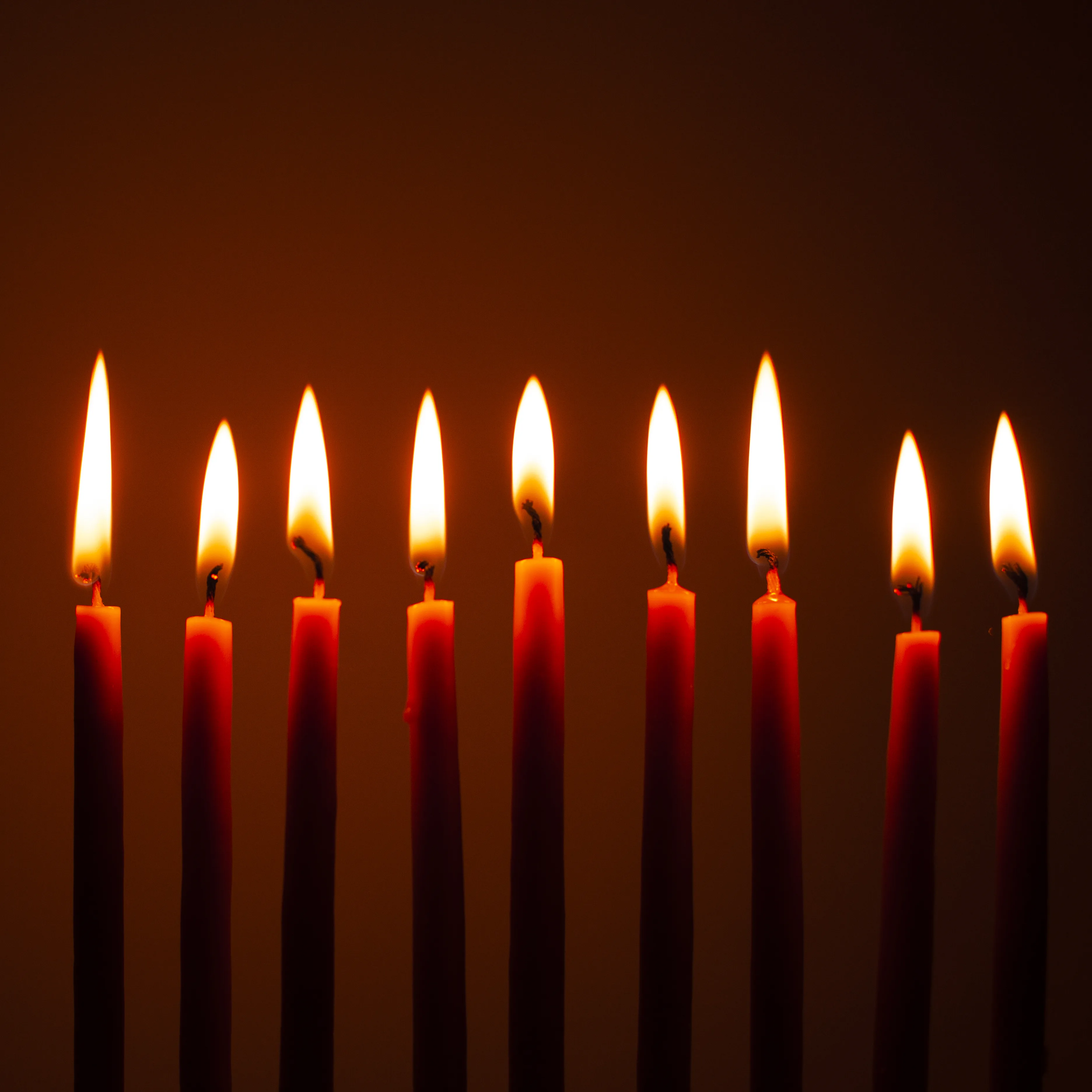
Leave a name and, if you wish, an intention. Your candle is added to the wall — and the fund keeps a real work of mercy going.
Light a candleThe form takes about a minute and asks for one thing only: a name.
A first name is enough. Ana. My father. The child in the next bed. You do not have to explain anything, and you can leave the surname out if the need is private.
One line is plenty. If you have no words at all, leave the field empty; God is not impressed by length. Nothing you type here is published, and nobody keeps a copy after you close the page.
The button opens the fund's secure giving page for this candle. Five dollars is suggested there, any amount works, and nothing is charged until you confirm it yourself. The candle is the prayer you are already making; the five dollars is what keeps the school meals and the seminary going.
The prayer is the part that matters, and it can take five seconds today and the same five seconds tonight. If there is a church near you, light a real candle there as well. It is the same request made twice, and one of the two will keep burning where you can see it.
One honest note. We do not claim that a physical candle is burning on some altar because you clicked here. This page is a sign and a request; the wax-and-fire version belongs in your parish.
You type the name and the intention straight into the payment form — one step, not two.
Light a candle — $5We keep only what you give us and only for this purpose. You can ask us to delete it any time by writing to Contact us
Step into any Catholic church and you will find candles doing different jobs. A red lamp burns beside the tabernacle to say that the Blessed Sacrament is there. A rack of small candles waits in front of a statue of Our Lady. Once a year the great Easter candle is carried through a dark church while the deacon sings Lumen Christi, the light of Christ, and the whole building answers.
Candles are blessed, not decorated. On 2 February, the feast of the Presentation, parishes bless the candles they will burn all year and people carry a few home. At a baptism a candle is lit from the Easter candle and put into the hands of the newly baptised or of their godparent, with the words: receive the light of Christ. In each case the flame says the same thing. Christ is the light that the darkness has not overcome, and the small fire in your hand is a share in it.
The candle you light for a person has its own name: a votive candle, from the Latin votum, a vow. Its logic is simple. It keeps burning after you walk away, and that is the point — your prayer does not end when your attention does. It also pins the prayer to an hour and a name, so that later you can point at it and say: I asked for that.
What a candle is not. It is not a spell, a battery or a lever. Catholic teaching nowhere says that burning wax obliges God to do anything, and a bigger candle does not buy a better answer. The candle accompanies the prayer; it does not replace it and it does not pay for it. Once a candle is used as a technique — light three, say the words in the right order, wait for the result — it has stopped being a Catholic candle.
Catholics light candles for the living and for the dead, and those are two different prayers even when they use the same flame.
Praying for the dead is not an optional extra in Catholic practice — it goes back to the books of Maccabees, and it is what November is for. A candle is the smallest form it takes. If you want a Mass celebrated for that person, that is a separate request and a different kind of offering: a Mass for someone who has died.
And you do not need to be Catholic, baptised or sure of anything to light one. A candle is a way of standing in a request. If the person you are praying for is ill and you want words to say, there is a prayer for that.
A candle here costs five dollars, and it is better to say so than to hide it behind a button. That is the suggested amount on the giving page — you can give more or less — and it goes where the rest of the fund's money goes: school meals in Africa and the training of men for the priesthood. The prayer itself is free and stays free; nobody checks a receipt before God hears it.
Five dollars is a gift, not a fee. It goes into the fund's own work: school meals for children in Africa and the training of men studying for the priesthood. At the published cost of thirteen cents a meal, five dollars is roughly thirty-eight school meals — about a week and a half of a child eating at school instead of working, or staying home.
That is not what happens at a candle stand in a parish, where the offering stays with the church that bought the wax. And it is nothing like a Mass offering, which by canon law belongs in full to the priest who celebrates it and never becomes income of this fund. If the difference matters to you, the arithmetic is written out here. How we handle money states the legal cap that binds us: administration may not exceed twenty per cent of the fund's income.
The mechanics are set out plainly in how this online candle works — what the form keeps, what the five dollars is and what it is not.
Donate $5
No, and it is worth being clear. In church, wax burns. Here a name goes onto a shared wall and the gift behind it goes to school meals and seminarians. We do not claim that a candle is burning on an altar somewhere because you clicked. What is the same is the prayer, and the intention behind it.
Yes. Praying for the dead is an old Catholic practice and a candle is its smallest form. If you would rather have a Mass celebrated for that person, that is a separate request: a Mass for someone who has died explains what it involves and what it costs.
No. A candle does not oblige God to answer, and nothing happens automatically when the wick catches. Reading the flame for signs is not Catholic practice and we do not do it here. The candle carries the prayer; God is the one who hears it.
No. Lighting a candle here is free. The five-dollar button is a voluntary gift to the fund's work — school meals and the training of seminarians — not a price for the candle and not a condition for the prayer.
We keep only what you give, and only for this purpose. An email is optional and is used to write back about your request, nothing else. You can ask us to delete your entry at any time at Contact us, and we do not sell or trade names.
Money
Money
Money
Money
Learn
Learn